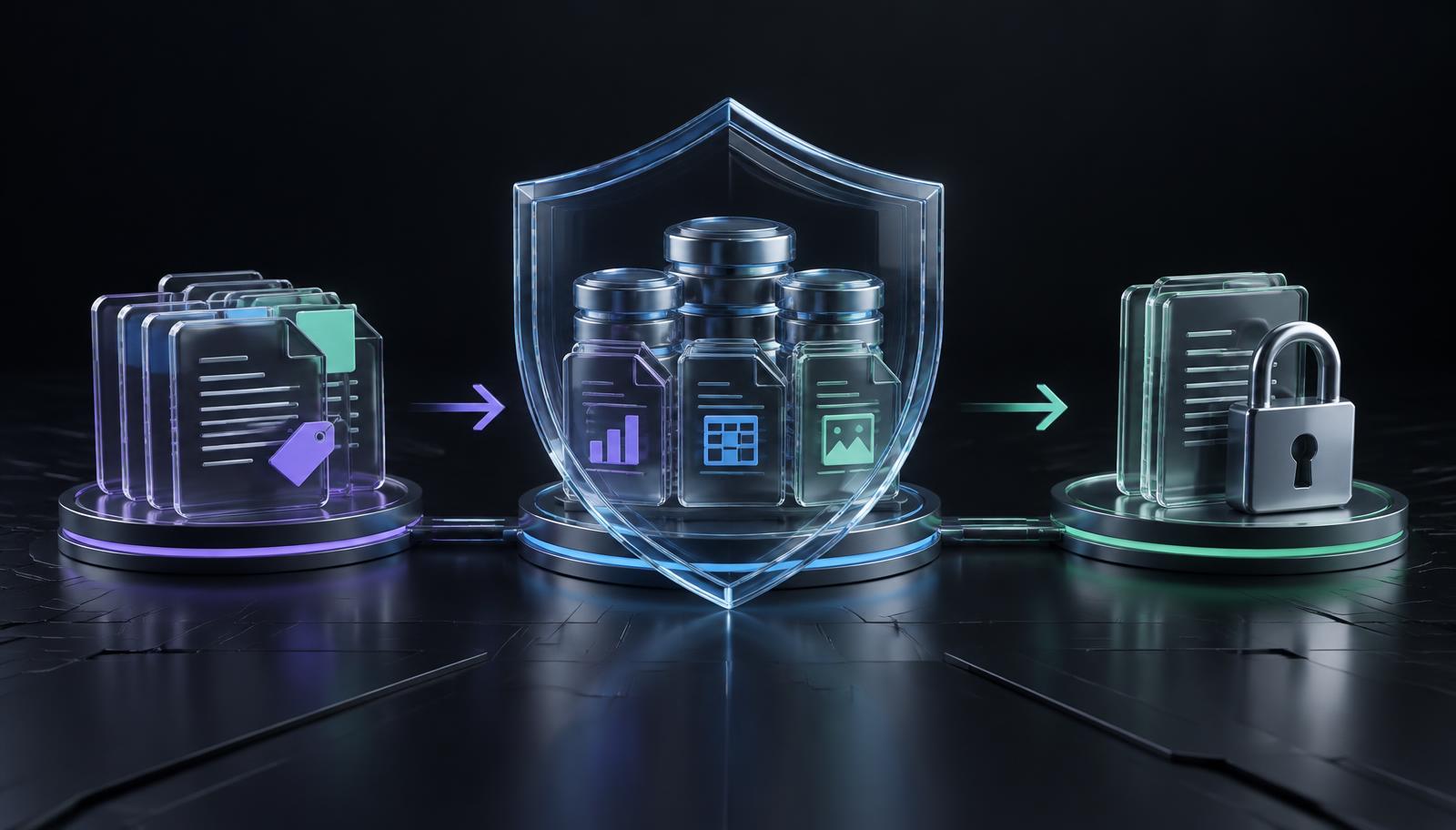
Cyber threats are increasing in frequency and sophistication, putting businesses of all sizes at risk. From ransomware attacks to data breaches and insider threats, organisations must take proactive steps to protect their digital assets. This leads many leaders to ask: how do you protect our business from cyber threats?
The answer lies in combining strong cybersecurity practices with data automation, monitoring, and governance frameworks. When implemented correctly, businesses can reduce risk, improve resilience, and safeguard sensitive information.
In this guide, we explain how cyber protection works, the role of automation, and how organisations can build a strong security posture.
Why Cybersecurity Is Critical for Modern Businesses
Digital transformation has increased reliance on cloud platforms, data systems, and connected applications.
This creates new attack surfaces, including:
- Customer data systems
- Financial platforms
- Operational databases
- Cloud infrastructure
- Remote access environments
Protecting these assets is essential to avoid financial loss, reputational damage, and regulatory penalties.
Common Cyber Threats Businesses Face
Understanding threats is the first step toward protection.
Common cyber risks include:
- Phishing and social engineering attacks
- Ransomware and malware infections
- Data breaches
- Credential theft
- Insider threats
- System vulnerabilities
- Supply chain attacks
Each threat requires layered protection.
How Cyber Protection Works in Practice
Effective cybersecurity combines technology, processes, and automation.
- Secure Infrastructure and Network Protection
Security begins at the infrastructure level.
This includes:
- Firewalls and intrusion detection systems
- Network segmentation
- Secure cloud architecture
- Endpoint protection
- Zero-trust network models
Infrastructure security reduces attack exposure.
- Identity and Access Management
Controlling user access is critical.
Security controls include:
- Role-based access control
- Multi-factor authentication
- Least-privilege access policies
- Single sign-on solutions
- Credential rotation
Access management limits unauthorised entry.
- Data Protection and Encryption
Sensitive data must be protected at all stages.
This includes:
- Encryption at rest and in transit
- Secure backups
- Data masking and anonymisation
- Secure storage policies
Data protection safeguards business information.
- Automated Monitoring and Threat Detection
Automation plays a key role in cybersecurity.
Automated systems enable:
- Real-time threat monitoring
- Anomaly detection
- Log analysis
- Security alerts
- Incident detection
Continuous monitoring improves response times.
- Automated Incident Response and Recovery
When incidents occur, speed matters.
Automation supports:
- Alert escalation
- Containment workflows
- System isolation
- Backup restoration
- Disaster recovery procedures
Automation reduces downtime.
- Compliance and Governance Controls
Security programs must align with regulatory requirements.
Governance frameworks include:
- Audit logging
- Policy enforcement
- Compliance reporting
- Data retention controls
- Access reviews
Governance improves accountability.
How Data Automation Strengthens Cybersecurity
Data automation improves security consistency.
It enables:
- Automated log ingestion
- Security event correlation
- Centralised monitoring dashboards
- Scheduled vulnerability scans
- Compliance automation
Automation reduces human error.
Business Benefits of Cyber Protection Automation
Strong cybersecurity programs deliver measurable value.
- Reduced Security Risk
Proactive monitoring prevents breaches.
- Faster Incident Response
Automation accelerates detection and containment.
- Improved Compliance
Automated controls simplify regulatory requirements.
- Operational Stability
Security protection reduces system downtime.
- Customer Trust
Strong security builds confidence with customers and partners.
Common Use Cases for Automated Cyber Protection
Businesses use automation across many security functions.
Popular use cases include:
- Real-time threat detection
- Security monitoring dashboards
- Automated backup and recovery
- Access control automation
- Compliance audit reporting
These use cases improve resilience.
Challenges to Consider
Cybersecurity requires continuous improvement.
Common challenges include:
- Evolving threat landscape
- Legacy systems
- Skills shortages
- Integration complexity
- Budget constraints
Strategic planning reduces risk.
Best Practices for Protecting Your Business
Successful organisations follow proven security practices.
These include:
- Implementing defence-in-depth strategies
- Automating security monitoring
- Applying least-privilege access
- Encrypting sensitive data
- Conducting regular security audits
- Training employees
Best practices improve security posture.
How Long Does It Take to Improve Cybersecurity?
Security improvements can begin quickly.
Basic protections can be implemented in weeks.
Advanced security programs may take several months.
Phased rollouts deliver fast risk reduction.
Measuring Cybersecurity Success
Businesses should track security performance metrics.
Examples include:
- Incident detection time
- Response time
- Number of blocked threats
- System uptime
- Compliance audit results
Measurement improves accountability.
Future Trends in Cybersecurity and Automation
Cybersecurity continues to evolve.
Future developments include:
- AI-powered threat detection
- Automated response orchestration
- Predictive security analytics
- Zero-trust automation frameworks
- Continuous compliance monitoring
Innovation will further strengthen protection.
Final Thoughts
Protecting your business from cyber threats requires more than basic antivirus software. By combining strong cybersecurity frameworks with data automation, monitoring, and governance controls, organisations can build resilient, secure, and compliant digital environments.
Cyber protection is not just an IT responsibility, it is a business-critical strategy that safeguards operations, customers, and long-term growth.
Keep reading